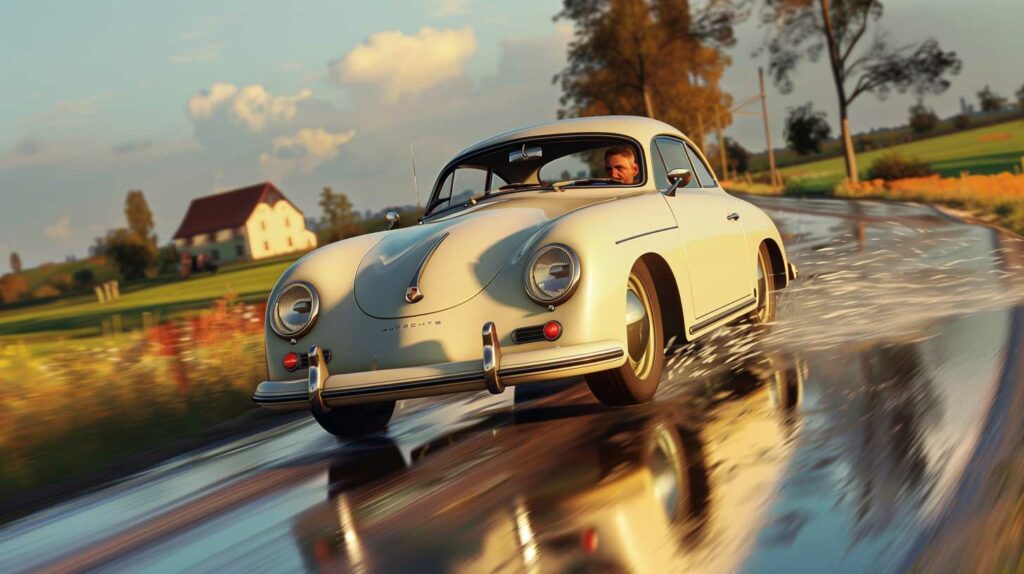
The article explores the formative years of the Porsche brand in the aftermath of World War II. Porsche, facing the challenges of post-war Europe, strategically relocated its team from Stuttgart to Gmünd, Austria, in 1944 to avoid Allied bombings. The relocation provided a safe environment for the brand's innovative efforts, utilising a former sawmill as their base of operations. In Gmünd, Porsche displayed extraordinary resilience, engaging in diverse projects such as producing farm equipment and repairing vehicles. This period of adaptation was critical in setting the stage for Porsche’s future success in the automotive industry. Highlighting a key moment in Porsche’s history, the article delves into the creation of the Porsche 356/1 Roadster in 1947. Designed by Ferry Porsche, the 356/1 represented the company's vision and ability to innovate, paving the way for its enduring legacy in performance and design within the automotive sector.
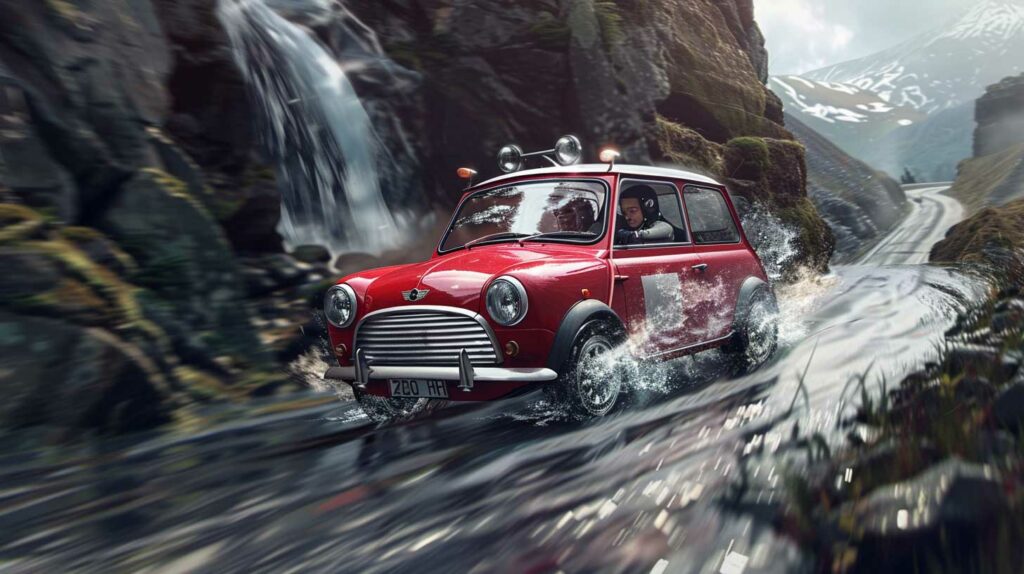
In the annals of motorsport history, few stories capture the imagination quite like that of the underdog—the classic David versus Goliath narrative. Sixty years ago, the Mini Cooper S carved its name into the bedrock of this tradition with a stunning victory that sent shockwaves through the motoring world. Against the hulking Goliaths of the automotive giants, the relatively diminutive car, powered by the ingenuity of John Cooper and the steely resolve of drivers like Paddy Hopkirk and Henry Liddon, surged to triumph in the grueling Monte Carlo Rally. Their unexpected win not only defied the odds but symbolized a triumph of agility, strategy, and sheer driving brilliance. Join us as we rev the engines of the past to rediscover how the Mini Cooper S became a legend, etching its place in history as one of motorsport's most celebrated giant-slayers.
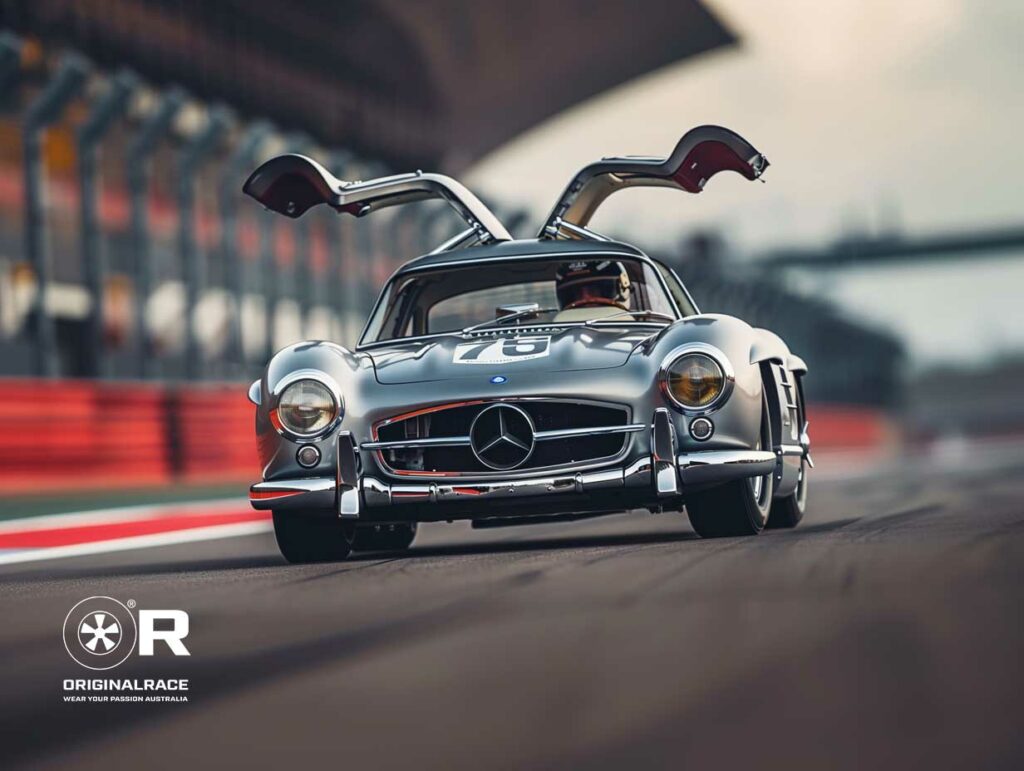
In the pantheon of automotive design, few vehicles have captured the imagination and stirred the souls of car enthusiasts quite like the Mercedes-Benz 300 SL, celebrated not only for its graceful lines and racing pedigree but also for its revolutionary gullwing doors. Born out of necessity, the high door sills of its spaceframe chassis precluded conventional doors, compelling engineer Rudolf Uhlenhaut and his team to an ingenious solution that would become an indelible part of automotive lore. The gullwing doors, an emblem of innovation and elegance, were not merely a stylistic statement; they were an answer to a structural challenge, striking a harmonious balance between form and function that has resonated through the decades. From its debut in the mid-1950s to its eternal place in cultural iconography, the Mercedes-Benz 300 SL Gullwing remains a testament to the creativity and engineering acumen of the stalwarts behind its creation. Join us as we unfold the wings of history to examine the ingenious genesis of the 300 SL's gullwing doors — a design that soars beyond its time.
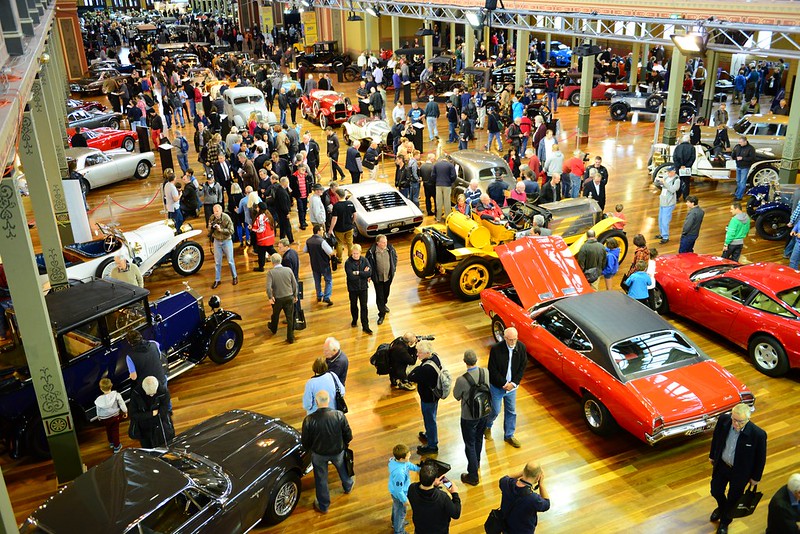
Returning in all its glory to the iconic Royal Exhibition Buildings for the weekend of October 7th to 9th, Motorclassica celebrates everything automotive, from the handcrafted classics to the pinnacle of modern-day performance. This year, the unique collection of Concourse grade vehicles will celebrate many automotive milestones, including 110 years of Bertone, 75 years of … Continued

 David Cooper